Ramble Travelers contains affiliate links and is a member of the Amazon Services LLC Associate Program and other affiliate programs. If you make a purchase using one of these links, I may receive compensation at no additional cost to you. See my Disclaimer Policy for more information.
Wide Toe Box Shoes: 3 Features For Effective Plantar Fasciitis Relief
Wide toe box shoes are one of three essential features to consider if you’re dealing with Plantar Fasciitis and other foot-related issues, such as bunions, Achilles tendonitis, hammer toes, and knee pain.
These common foot conditions affect millions of people every year, causing pain and discomfort in the heels and arches of the feet. As a result, simple daily activities like walking or standing can become extremely painful.
My Story .. sob sob
Plantar Fasciitis has been bothering me for more than 4 years. It is singularly the most devastating influence affecting my abilities to travel, as I can hardly walk.

Since then, I have sought the expertise of several doctors and physiotherapists, undergoing a range of treatments such as shockwave and ultrasound therapies, massage, taping, stretching, and various techniques from Traditional Chinese Medicine (TCM).

I have experimented with various types of shoes, ranging from heavily cushioned designs to those featuring built-in arch support and other innovative options marketed for alleviating Plantar Fasciitis.

Throughout this journey, I’ve made it my mission to document what truly works, along with the essential stretches and exercises that are vital for relieving pain and promoting healing of Plantar Fasciitis.
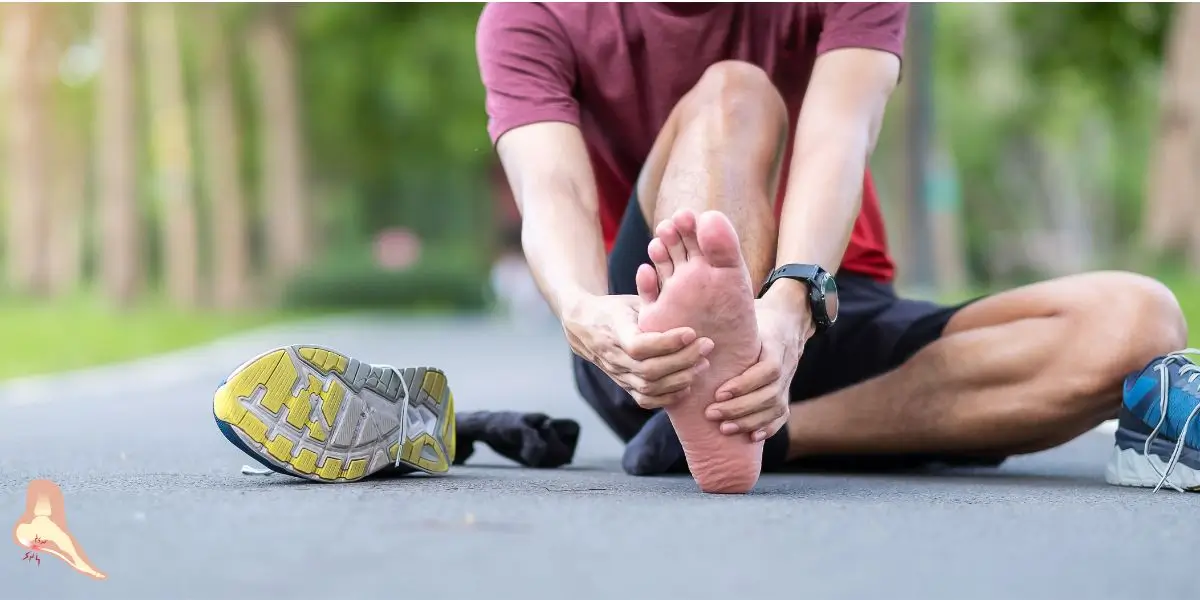
Are you suffering from Plantar Fasciitis or other foot related pain? You are not alone!
Please allow me to share what I’ve learned and experienced about the most effective types of shoes for alleviating plantar fasciitis.
Disclaimers
This post serves as a guide and is not a substitute for medical advice. It is based on my personal experiences and those of fellow travelers I’ve encountered on the trails. If you have a pre-existing condition or are experiencing severe foot pain, please consult a healthcare professional before engaging in any travel activities.
Wide Toe Box Shoes
A wide toe box refers to the front section of the shoe, where the toes are located. For many decades, traditional shoe designs have prioritized style over practicality, resulting in many options featuring narrow toe boxes that can contribute to various foot issues.
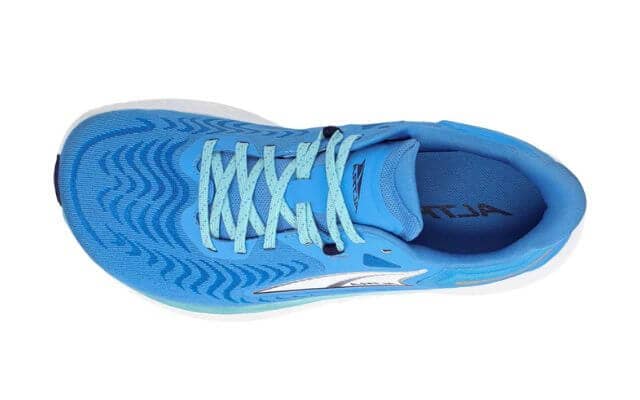
Traditional shoes frequently compress the toes and hinder their natural movement, which can weaken the intrinsic muscles of the feet. This restriction may lead to a range of issues, including bunions, ingrown toenails, hammertoes, plantar fasciitis, and general discomfort.
Our feet and toes naturally spread and splay while walking and running. However, narrow toe boxes hinder this normal foot function and weaken the muscles in our feet and arches.
A healthy shoe should feature a wide toe box that accommodates the natural shape of our feet and allows for proper toe splay.
To function optimally, the foot needs to expand at the forefoot, distributing our body’s weight effectively. When this dynamic is restricted, our feet may conform and deform to the shape of our shoes.
Wide toe box shoes encourage a more natural foot function by preventing toe crowding. A spacious toe box enables your toes to spread naturally, enhancing balance and stability and optimal foot function. This feature is particularly advantageous for athletes and hikers who prioritizes surefootedness.
Your feet are naturally designed for movement, and a shoe with a wide toe box accommodates this design. It enables you to take longer strides and transition through each step more fluidly.
Wearing shoes with a wide toe box from a young age can greatly diminish the likelihood of developing common foot deformities such as bunions and hammertoes.
Shoes featuring wide toe boxes are ideal for individuals with plantar fasciitis. The additional space in the forefoot area helps prevent toe cramping and allows your feet to breathe more comfortably.
Don’t settle for cramped toes—give your feet the space they deserve!
Zero Drop Shoes
The second essential festures to consider is the Zero Drop Shoes.
“Drop” refers to the height difference between the heel and the forefoot of a shoe. A shoe with a zero drop features a completely flat design, with no elevation at the heel, ensuring a level surface from heel to toe. It is also known as “heel-to-toe-drop”.
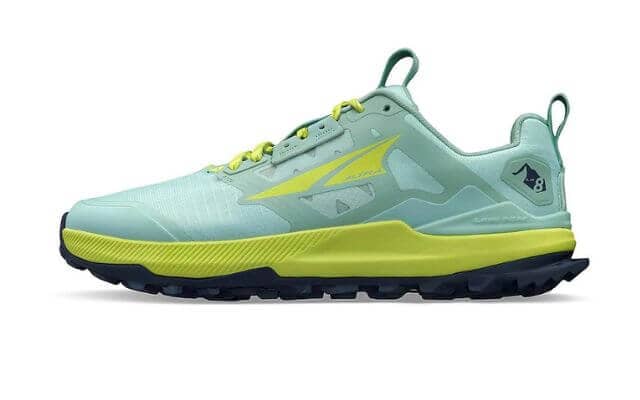
The majority of a shoe’s sole is crafted with a downward slope from the heel to the toe. Elevating the heel in footwear places undue stress on the forefoot and leads to a chronic shortening of the heel cord, calf muscles, and Achilles tendon.
Elevating the heel places the foot at a downward angle, generating tension and stress on the forefoot. This can result in the chronic shortening of the Achilles tendon and calf muscles, often leading to issues such as ankle instability, plantar fasciitis, and hammer toes.
Zero-drop shoes feature a flat design that keeps the heel and forefoot at the same level. By promoting more natural movement, these shoes help strengthen foot muscles. A completely at heel distributes body weight evenly across the foot. This often translates to improve balance, alleviate pain, and enhance athletic performance.
Zero Drop vs Barefoot
There are different school of thoughts on whether zero drop shoes are similar to barefoot shoes.
Barefoot running shoes are essentially zero-drop footwear featuring little to no cushioning beneath your feet. This design allows you to feel every rock and root you encounter while running.
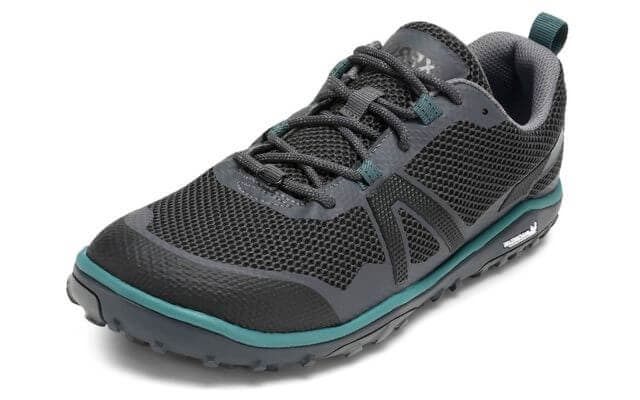
With an exceptionally flexible sole, these shoes enable your toes to move naturally, simulating the experience of running barefoot. The shoe is generally wider than standard footwear, allowing your toes to spread naturally and enabling better use of your foot muscles.
Zero Drop footwear, in contrast, features thicker soles and cushioning that offer protection against sharp objects and impact forces. This design helps to cushions your steps and also promotes the natural movement of your foot.
Both types of shoes promote a more natural foot movement and strengthen foot muscles by encouraging toe splay. However, barefoot shoes are generally considered more extreme as they offer very little cushioning and support, while zero-drop shoes provide a balance between minimalism and protection.
Ramble Travelers Pro Tip : Not all zero drop running shoes are barefoot. They can have plenty of cushioning.
Stack Height
Stack height refers to the amount of material in a shoe that sits between your foot and the ground. It can vary from minimal, mimicking a barefoot experience, to maximal cushioning. This measurement is commonly associated with the level of cushioning a shoe provides.

This is the third essential features to consider if you’re dealing with Plantar Fasciitis and other foot-related issues.
Some shoes are designed with a thick, plush feel, featuring a soft foam cushioning layer—the midsole—positioned between the outsole and the upper to cradle your foot. These are commonly referred to as “maximalist” shoes.
Most shoes generally have a slightly elevated stack height under the heel compared to the forefoot, such as stack height of 33mm/28mm for enhanced cushioning
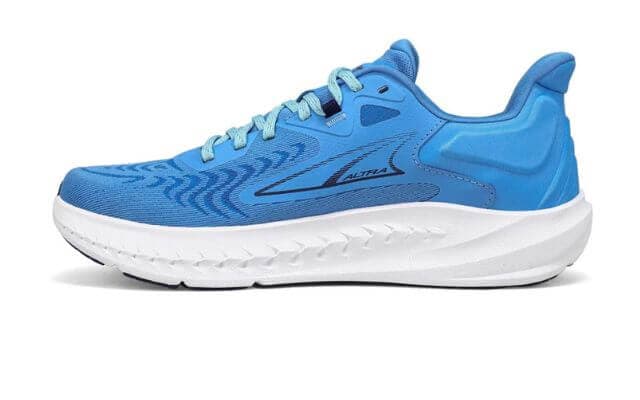
The more cushioning there is beneath the foot, the less sensory feedback is experienced, leading to abnormal reactions. This can hinder the foot’s ability to respond properly, potentially resulting in injuries, as the necessary muscles may not be activated to effectively absorb shock.
On the other end, the more cushioning there is, it is more comfortable especially for long run or hike.
In summary, shoes with lower stack heights typically offer a firmer, more responsive underfoot sensation, whereas those with higher stack heights provide a softer, more cushioned feel.
A rule of thumb is to consider how the shoe feels under your foot. We are all built differently, from our weight to our body flexibility, muscle and strength of our foot and more.
For those suffering from Plantar Fasciitis, a higher stack height may be more comfortable. Try to stay below 29mm. As your archilles tendon and Plantar Fasciitis improves, it is good to reduce it to below 15mm or even lower., allowing your foot to have a firmer, responsive underfoot feel.
Best Shoes For Plantar Fasciitis
How to choose the best shoe if you are suffering from Plantar Fasciitis?
It is essential to carefully consider the three key features mentioned above. Making this fundamental change to your lifestyle is vital if you are dedicated to alleviating plantar fasciitis and other foot-related pain.
Incorporating the three features mentioned for your shoe will set you on the path to recovery and a pain-free life. This is contingent upon your commitment to consistently perform exercises and stretches, along with other complementary actions, such as reducing your weight if you are overweight.
Select shoes with the following features and characteristics for each phase:
Phase 1 : Transition
If you’re experiencing intense pain, transitioning from your current footwear to the best shoes for plantar fasciitis should be a gradual process, carefully monitored for optimal results.
Wide Toe Box, Zero drop (or maximum 5 mm drop), and Stack Height of maximum 29mm.
Select the correct size carefully; both the length and width should be just right. Don’t hesitate to try shoes with different characteristics, as they may fit and feel differently, even if they are the same size as your previous pair.
Start by wearing your new shoes for short periods each day, gradually extending the duration over time. This adjustment phase can be the most challenging and uncomfortable.
For those unaccustomed to such footwear, particularly with a wide toe box and zero drop, it may come as quite a shock. While these shoes are designed for comfort, it simply takes time to get used to them.
Ramble Travelers Pro Tip: For those who are feeling uncomfortable and simple difficult to adept, you may have to break these features in step, such as: (1) Wide Toe Box with Stack Height of maximum 29mm. Start by wearing them for short periods each day and gradually increase the duration. When you are comfortable, just move on to the next configuration. (2) Wide Toe Box, Zero Drop (max 5 mm drop), and Stack Height of maximum 29 mm. Start with short periods and increase the duration gradually.
Phase 2 : Settling In
If you are feeling comfortable in the shoes in Stage 1, your Plantar Fasciitis is improving, and you are ready to progress to the next level. Now it’s time to reduce the cushioning to a minimum , while maintaining zero drop and wide toe box.
Wide Toe Box, Zero Drop, and Stack Height of maximum 15mm.
Start by wearing them for short periods each day and gradually increase the duration.
You may find that stepping down to maximum stack height of 15mm with zero drop, then choose what feel comfortable, a height lower than in stage 1.
Phase 3 : Complete Recovery
If you’ve made it this far and feel completely confident in your shoes featuring a wide toe box, zero drop, and stack heights under 10 mm, while no longer experiencing pain from Plantar Fasciitis—congratulations!
Wide Toe Box, Zero Drop, and Stack Height of maximum 10mm.
Summary
The above 3 phases formed a guideline for your transition to the proper shoes for treating your Plantar Fasciitis. You can adjust it to suit your pace of recovery.
The powerful synergy of a wide toe box, zero drop, and low stack height fosters natural foot movement while offering essential support. Together, these features help minimize the risk of foot pain, injuries, and deformities such as Plantar Fasciitis and stress fractures.
Whether you’re an athlete, a casual walker, a traveler, or seeking relief from foot discomfort, investing in footwear that emphasizes wide toe boxes, zero drop, and low stack height is well worth it. Your feet will truly appreciate the difference. Your foot will thank you for it.
Just don’t forget to incorporate foot-strengthening exercises to help your feet adapt more quickly.
I have complied a list of shoes that meets these requirements given above, in the suggested phase for your transition to functional shoes. No guess work or hunting.
Click here to choose your shoes for Plantar Fasciitis.

Useful Resources
Discover the 5 essentials tips to preventing Plantar Fasciitiss during your travel.
Discover the essential tools that can aid your exercise routine and help prevent Plantar Fasciitis.
If your Plantar Fasciitis continues to cause you significant discomfort despite trying various shoes and home therapies, it may be worth considering this option. Discover relief from Plantar Fasciitis pain in just 7 days with all-natural treatments — no needles, painkillers, or surgery required!
FAQ
What is plantar fasciitis in the foot

The plantar fascia is a robust band of tissue that extends along the bottom of your foot, connecting your heel to your toes. It plays a crucial role in supporting the arches of your feet and serves as a shock absorber during walking or running. However, continuous stress on this tissue can result in small tears and inflammation, ultimately leading to plantar fasciitis.
To read more about Plantar Fasciitis diagnosis, treatment, therapies and surgical or other procedures from Mayo Clinic, click on the links below:
Mayo Clinic Plantar Fasciitis – Symptoms and Causes
Mayo Clinic Plantar Fasciitis – Disgnosis and Treatments
Do shoes matter with plantar fasciitis?
Plantar fasciitis is a common issue for runners, travelers, and hikers, making it crucial to select and regularly update your footwear. Wearing shoes that do not support the natural movement of your foot or relying on older shoes that have lost their support can lead to overstressing your plantar fascia.
Are shoes with a wide toe box better?
This type of shoe promotes a more natural foot function, preventing toe crowding that can lead to various issues. Additionally, they offer greater overall comfort.
What’s the worst thing you can do for plantar fasciitis?
Continuing to walk, run, and exercise with inflamed plantar fascia will exacerbate micro-tears and intensify your pain.
Are tight or loose shoes better for plantar fasciitis?
Wearing ill-fitting shoes can aggravate your plantar fasciitis symptoms. Such footwear prevents your foot from adapting to its natural position.
What should you not wear with plantar fasciitis?
It’s best to avoid wearing slippers, flip-flops, or backless shoes. Similarly, ill-fitting or worn footwear should be discarded, as they fail to provide adequate support, have diminished shock absorption, and can increase strain on the plantar fascia.
Does flat feet make plantar fasciitis worse?
Individuals with flat feet or high arches frequently distribute their weight in a manner that places additional strain on the plantar fascia, resulting in foot pain. Those with flat feet often experience excessive pronation, causing the foot to roll inward, which further stresses the plantar fascia.

Wander Freely .. Travel Fearlessly .. Pain Free

Ramble Travelers contains affiliate links and is a member of the Amazon Services LLC Associate Program. If you make a purchase using one of these links, I may receive compensation at no additional cost to you. See my Disclaimer Policy for more information.